by Capital Chemist Group
The most common treatment for sleep apnoea is the nightly
use of a continuous positive airway pressure (CPAP) machine. Other treatment
options include lifestyle changes and, in very rare cases, surgery to create
more room in the throat. Your best treatment option will depend on your level
of sleep apnoea (as determined by your sleep study), other risk factors,
and your current lifestyle.
Treatment for mild sleep
apnoea
Some mild cases of sleep apnoea respond well to lifestyle
changes. Many lifestyle factors that contribute to your risk of developing
sleep apnoea, can be altered to reduce its impact and sometimes reverse the
condition. Your treating doctor or pharmacist may recommend that you:
· Reduce your alcohol intake.
·
Stop smoking or vaping.
·
Lose weight if you are overweight or tend to
hold weight around your neck area.
·
Treat any underlying problems, including
allergic nasal congestions or other medical conditions, that are causing or
contributing to your sleep apnoea.
·
Review your other medications, especially
anti-anxiety or sleeping pills that could increase muscle relaxation. Your
pharmacist can help you with a medication
review.
·
Change your sleep position to your side or raise
your head.
·
Avoid food and drink that may cause reflux making
sleep apnoea worse.
In more severe cases, lifestyle changes are
still important and complement other treatment options to reduce the impact of
sleep apnoea.
Continuous Positive Airway Pressure (CPAP) machines
CPAP machines treat sleep apnoea by providing continuous positive airway pressure, which, when set correctly for you, prevents the
airway from collapsing while you sleep, regardless of the cause.
Many consider the CPAP machine to be the gold standard for
treating sleep apnoea because:
1.
It works (in most instances) regardless of the
cause or contributing factors.
2.
It’s non-invasive and does not require surgery.
3.
Modern CPAP machines automatically adjust as we
age, change, or grow to meet our changing needs.
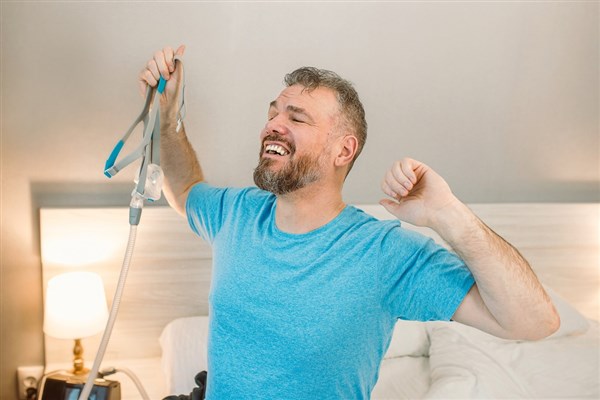
A CPAP machine comprises of an air pump and
mask joined by a tube. Before you go to sleep, you attach the mask to your face
according to the machine’s instructions. Then, while you sleep, the pump uses a
low pressure to pump air through the tubing and mask to hold your airway open.
The level of air pressure required varies from minute to minute and hour to
hour and the machine will adjust automatically.
Once known as being loud and uncomfortable,
CPAP machines have come a long way in the last few years. Now CPAP machines are
extremely quiet (particularly when compared to the snoring that they replace),
and a wide variety of mask options provide a comfortable solution for most
people. If you find your CPAP machine uncomfortable or challenging to get used
to, speak to your pharmacist about alternative masks or machines that might
better meet your needs.
A full CPAP setup may cost $2000-$2500 and can take a little
getting used to, but most people not only get used to it; they get their life
back through improved sleep quality. In some cases the results and improvements
are instant, happening after one night of treatment.
Some private health insurance policies provide cover
towards CPAP machines. Check with yours before you finalise your purchase.
Surgical and other options to
treat sleep apnoea
If lifestyle changes are not enough to manage your sleep
apnoea, and you are one of the few who cannot tolerate the CPAP machine, there
are alternative treatments to consider:
Oral appliances
Some mild cases of sleep apnoea respond to specially made
oral appliances (also used for snoring). These are a good option the position
of your jaw contributes to your sleep apnoea as they push the lower jaw
forward, opening the airway and reducing the chance of obstruction.
Surgery
Usually the last resort treatment
for sleep apnoea if other options have not worked, your GP can refer you to a
sleep specialist or ENT (ear, nose and throat specialist) who can advise
whether surgery may work for you.
Mouth and throat exercises
In addition to regular physical exercise, there are growing
reports that specialised mouth and throat exercises (myofunctional therapy) can
improve sleep apnoea in mild cases. A speech pathologist, sleep specialist or
dental expert with an interest in sleep apnoea may be able to assist if you
would like to explore this option.
The importance of treating
your sleep apnoea
Left untreated, sleep apnoea can increase your risk of
stroke, type 2 diabetes, high blood pressure and heart disease, and depression.
Effectively treating sleep apnoea reduces your chances of these longer-term
health complications, and higher-quality sleep will improve your quality of
life through better energy and mood.
If you think you may have sleep apnoea, visit your local
Capital Chemist today and ask about our diagnostic sleep studies and
CPAP treatment options.
You may also be interested in the following:


