by Capital Chemist Group
The most common symptoms of sleep apnoea (also
referred to as obstructive sleep apnoea or OSA) are snoring or gasping during
sleep leading to poor-quality sleep, with subsequent daytime sleepiness,
fatigue and difficulty concentrating. These symptoms arise from repeated airway
blockages that cause the body to partially awaken many times each hour
overnight to restart breathing.
There is no specific cause of sleep apnoea, other than head
and neck muscles and tissues relaxing during sleep and obstructing the windpipe.
However, several physical, inherited, and lifestyle factors can increase your
risk of developing sleep apnoea.
What are the symptoms of
sleep apnoea?
Often, the most obvious symptoms of sleep apnoea are first
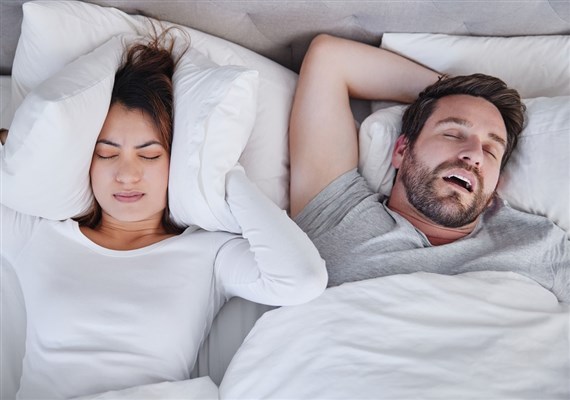
observed by a sleeping partner who may report (or complain of) hearing snoring
or gasping or observe unexplained pauses in breathing during your sleep.
Individuals with sleep apnoea may experience insomnia, night
sweats or waking up short of breath, often with a sensation of choking. Other
symptoms of sleep apnoea are more subtle, resulting from poor-quality sleep
overnight. Such symptoms of sleep apnoea can include:
· Daytime sleepiness or drowsiness while going
about a typical day after a healthy 7-9 hours of sleep.
·
Mood changes that mimic depression or anxiety.
·
Memory loss or difficulty concentrating.
·
Headaches, especially in the morning, often
followed by a ‘foggy brain’ throughout the day.
·
Uncomfortable dry mouth upon waking, often with
a sore throat caused by snoring.
If you are experiencing any of these symptoms it is
important to discuss them with your GP or pharmacist to rule out sleep apnoea.
Untreated sleep apnoea can increase your risk of high blood pressure, heart
disease, stroke, and diabetes and poor quality sleep is linked to driving and
workplace accidents.
Your local Capital Chemist Pharmacist can arrange a
sleep study without a referral. Come in-store and ask for more information
today if you think you may have sleep apnoea.
What causes sleep apnoea or increases your risk of developing
sleep apnoea?
Sleep apnoea (obstructive sleep apnoea) is caused by muscles
or tissues relaxing so much they obstruct the windpipe while you sleep. This
causes the brain to wake the body to resume breathing. It can occur randomly
but is usually the result of one or more of the following risk factors:
· Being male or over 50 years of age.
·
Having a family history of sleep apnoea.
·
Other medical conditions including hormone
disorders, neuromuscular conditions and abnormal physical structure of the
mouth or throat.
·
Having large tonsils, tongue, or a thick neck.
·
Increased fat deposits on the neck, usually from
carrying excess weight.
·
Lifestyle choices including drinking alcohol or
smoking.
·
Use of certain prescription and over-the-counter
medications including certain antihistamines, anti-anxiety, opiate pain relief
and barbiturate medications.
While many factors are outside our control, maintaining
a healthy lifestyle can reduce your overall risk.
Is there a cure for sleep
apnoea?
There is no instant cure for sleep apnoea, but there are
treatment options that reduce breathing disruption and their impact on your
life. The most common treatment for sleep apnoea is a CPAP machine that
provides gentle air pressure to hold the throat open overnight. By keeping the
airways open it prevents blockages and keeps oxygen flowing, allowing you to
finally get a good night of restorative sleep.
Some less severe cases of sleep apnoea can be reversed or
significantly reduced with lifestyle changes and treatment of any underlying
conditions.
There are some less common types of sleep apnoea
that do not respond to treatment with a CPAP machine and may require urgent
referral to a sleep physician.
If you are experiencing symptoms of sleep apnoea, speak
to your local Capital Chemist Pharmacist about a pharmacy sleep study
today.
You may also be interested in the following:


